
Midtown Commons
Update 7/31/2026: This project has moved into the construction phase. For future updates please visit Midtown Commons | Missoula, MT - Official Website.
Update 5/29/26: On Monday, May 18, 2026, City Council approved the purchase and sale agreements and the development agreement.
Meeting schedule
MRA Board meeting — Friday, May 8, 2026, at noon, Hal Fraser Conference Room, 140 W. Pine St.
Status: Approved
Missoula Parks and Recreation Board meeting — Tuesday, May 12, 2026, at 11:30 a.m., Headwaters Conference Room at Currents, 600 Cregg Lane.
Status: Approved
Land Use and Planning Committee meeting — Wednesday, May 13, 2026, 1:00 p.m., City Council Chambers, 140 W. Pine St.
Action for consideration: Approve the purchase and sale agreement and the development agreement.
Status: Referred to City Council
City Council meeting — Tentatively May 18, 2026, at 6 p.m., City Council Chambers, 140 W. Pine St.
Action for consideration: Approve the purchase and sale agreement and the development agreement.
Status: Approved
The Concept
The Midtown Commons project will include a mix of housing types – townhomes, condos, rental apartments and single-family homes, the possibility of commercial development, a new 1.6-acre public park, connections to the Bitterroot Trail, new streets and sidewalks, street lighting, utilities, and landscaping in the right-of-way.
The development concept aligns with extensive outreach and public processes during the past two years, including
- Our Missoula 2045 Land Use Plan: Land Use Plan | Missoula, MT - Official Website
- Long Range Transportation Plan: Missoula Connect: 2050 LRTP | missoulampo
- 2024 Community Health Assessment: 2024 Missoula County CHA - Adobe cloud storage
- Parks, Recreation, Open Space, and Trails (PROST) 2040 Master Plan: PROST Master Plan | Missoula, MT - Official Website
- Midtown Master Plan: Home | Missoula Midtown Mas
- National Community Survey: The-NCS-Report---Missoula-MT-2024
- Our Missoula Growth Policy: Five-Year-Growth-Policy-Review
- North MRL Triangle: North MRL Triangle - Future Uses | Engage Missoula
- Community Health Improvement Plan 2025- 2030: About Us - Missoula Public Health
The project also draws on recommendations from Mayor Davis’ Task Force on City Lands Redevelopment, which calls for strategies that provide a clear, actionable approach for leveraging City-owned properties to meet near- and long-term community goals and deliver lasting public benefit.
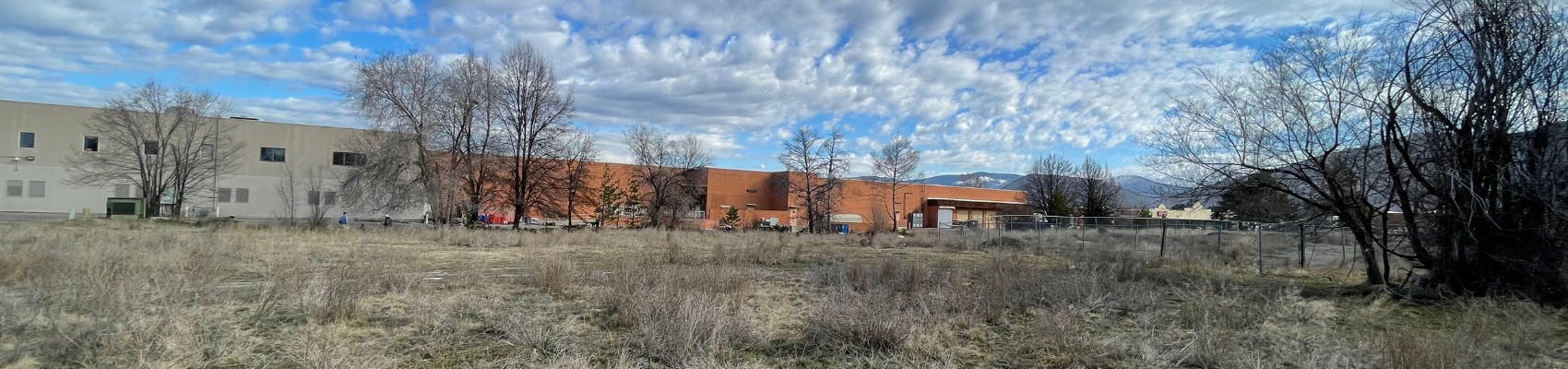
The 13.5-acre Southgate Crossing is strategically located for potential connection to Brooks Street from South Avenue. The City purchased it last winter. It is a keystone property in the development of Midtown. The City’s involvement allows the City to invest in necessary infrastructure.
Update 7/31/2026: This project has moved into the construction phase. For future updates please visit Midtown Commons | Missoula, MT - Official Website.
Update 5/29/26: On Monday, May 18, 2026, City Council approved the purchase and sale agreements and the development agreement.
Meeting schedule
MRA Board meeting — Friday, May 8, 2026, at noon, Hal Fraser Conference Room, 140 W. Pine St.
Status: Approved
Missoula Parks and Recreation Board meeting — Tuesday, May 12, 2026, at 11:30 a.m., Headwaters Conference Room at Currents, 600 Cregg Lane.
Status: Approved
Land Use and Planning Committee meeting — Wednesday, May 13, 2026, 1:00 p.m., City Council Chambers, 140 W. Pine St.
Action for consideration: Approve the purchase and sale agreement and the development agreement.
Status: Referred to City Council
City Council meeting — Tentatively May 18, 2026, at 6 p.m., City Council Chambers, 140 W. Pine St.
Action for consideration: Approve the purchase and sale agreement and the development agreement.
Status: Approved
The Concept
The Midtown Commons project will include a mix of housing types – townhomes, condos, rental apartments and single-family homes, the possibility of commercial development, a new 1.6-acre public park, connections to the Bitterroot Trail, new streets and sidewalks, street lighting, utilities, and landscaping in the right-of-way.
The development concept aligns with extensive outreach and public processes during the past two years, including
- Our Missoula 2045 Land Use Plan: Land Use Plan | Missoula, MT - Official Website
- Long Range Transportation Plan: Missoula Connect: 2050 LRTP | missoulampo
- 2024 Community Health Assessment: 2024 Missoula County CHA - Adobe cloud storage
- Parks, Recreation, Open Space, and Trails (PROST) 2040 Master Plan: PROST Master Plan | Missoula, MT - Official Website
- Midtown Master Plan: Home | Missoula Midtown Mas
- National Community Survey: The-NCS-Report---Missoula-MT-2024
- Our Missoula Growth Policy: Five-Year-Growth-Policy-Review
- North MRL Triangle: North MRL Triangle - Future Uses | Engage Missoula
- Community Health Improvement Plan 2025- 2030: About Us - Missoula Public Health
The project also draws on recommendations from Mayor Davis’ Task Force on City Lands Redevelopment, which calls for strategies that provide a clear, actionable approach for leveraging City-owned properties to meet near- and long-term community goals and deliver lasting public benefit.
The 13.5-acre Southgate Crossing is strategically located for potential connection to Brooks Street from South Avenue. The City purchased it last winter. It is a keystone property in the development of Midtown. The City’s involvement allows the City to invest in necessary infrastructure.
Leave a Comment or ask a Question about Midtown Commons
Thank you for submitting a question or comment about the Midtown Commons project. Questions and comments will be published below unless:
- the submission contains a request for the information to be addressed privately
- the submission contains inappropriate language, or the question is inappropriate to the topic
- the submission violates the terms and conditions of this site
The Midtown Commons project is in the final design process and, as with all-in progress projects, not all information may be finalized or available at the time a question is asked.
Staff from the City of Missoula will do their best to answer questions when information is available and create relevant FAQs. However, not all questions or comments can be addressed.
-
Share What is projected to be the price range of units for sale or rent in this development? on Facebook Share What is projected to be the price range of units for sale or rent in this development? on X (formerly Twitter) Share What is projected to be the price range of units for sale or rent in this development? on Linkedin Email What is projected to be the price range of units for sale or rent in this development? link
What is projected to be the price range of units for sale or rent in this development?
Mose asked 5 months agoThe development will include a mix of housing types ranging from condominiums (studios and one- or two-bedrooms) to duplex townhouses to single family homes. In testimony to the City Council Land Use and Planning Committee on May 13, 2026, the developer said his goal is to sell two-bedroom condominiums for around $350,000, with the studio and one-bedroom condos being priced lower. He expects the duplex townhouses to be priced a little below or a little above $500,000, and the single-family homes priced between $550,000 and $600,000. At this point these are only estimates. Actual prices will not be set until the units are completed and on the market.
Regards,
Midtown Commons Project Team
-
Share When making a development plan it shows townhomes behind the buildings and eye views to an adult entertainment strip joint - wouldn’t it make sense to move these townhomes over by the Dixon/ Ernest Ave area by a natural park and keep business buildings by the back of huge warehouse type buildings and the adult entertainment strip joint? Swap the locations of these properties. Also it seems more cost effective for the natural park to remain and clean it up with walking trails through it vs the current proposed park placement. It seems the neighbors utilize this as a walking park for pets. It could be an official pet park area. Also due to the death of a disabled mentally ill man on the fringe of the natural park maybe the city can place a bench or memorial of all those in need of help. on Facebook Share When making a development plan it shows townhomes behind the buildings and eye views to an adult entertainment strip joint - wouldn’t it make sense to move these townhomes over by the Dixon/ Ernest Ave area by a natural park and keep business buildings by the back of huge warehouse type buildings and the adult entertainment strip joint? Swap the locations of these properties. Also it seems more cost effective for the natural park to remain and clean it up with walking trails through it vs the current proposed park placement. It seems the neighbors utilize this as a walking park for pets. It could be an official pet park area. Also due to the death of a disabled mentally ill man on the fringe of the natural park maybe the city can place a bench or memorial of all those in need of help. on X (formerly Twitter) Share When making a development plan it shows townhomes behind the buildings and eye views to an adult entertainment strip joint - wouldn’t it make sense to move these townhomes over by the Dixon/ Ernest Ave area by a natural park and keep business buildings by the back of huge warehouse type buildings and the adult entertainment strip joint? Swap the locations of these properties. Also it seems more cost effective for the natural park to remain and clean it up with walking trails through it vs the current proposed park placement. It seems the neighbors utilize this as a walking park for pets. It could be an official pet park area. Also due to the death of a disabled mentally ill man on the fringe of the natural park maybe the city can place a bench or memorial of all those in need of help. on Linkedin Email When making a development plan it shows townhomes behind the buildings and eye views to an adult entertainment strip joint - wouldn’t it make sense to move these townhomes over by the Dixon/ Ernest Ave area by a natural park and keep business buildings by the back of huge warehouse type buildings and the adult entertainment strip joint? Swap the locations of these properties. Also it seems more cost effective for the natural park to remain and clean it up with walking trails through it vs the current proposed park placement. It seems the neighbors utilize this as a walking park for pets. It could be an official pet park area. Also due to the death of a disabled mentally ill man on the fringe of the natural park maybe the city can place a bench or memorial of all those in need of help. link
When making a development plan it shows townhomes behind the buildings and eye views to an adult entertainment strip joint - wouldn’t it make sense to move these townhomes over by the Dixon/ Ernest Ave area by a natural park and keep business buildings by the back of huge warehouse type buildings and the adult entertainment strip joint? Swap the locations of these properties. Also it seems more cost effective for the natural park to remain and clean it up with walking trails through it vs the current proposed park placement. It seems the neighbors utilize this as a walking park for pets. It could be an official pet park area. Also due to the death of a disabled mentally ill man on the fringe of the natural park maybe the city can place a bench or memorial of all those in need of help.
Patti asked 5 months agoHi Patti,
Thank you for your comments. They will be shared with the Project Team.
Sincerely,
Ashley Warren, Communications Specialist
-
Share I previously submitted this question, the answer was not found in the updated FAQs, as was referenced in the response from the city. It has been almost 1 month since I submitted the original question, please answer the question in a timely manner. Thank you. Hello, I previously submitted a question asking if there were any tribal members or Native Americans included in the conversation about this particular piece of land. The answer that I received says that they were included in documents created prior to buying this land. My question is if there were any Native members included in the discussion of this particular piece of land after the city purchased it. If so, please include what their input was. on Facebook Share I previously submitted this question, the answer was not found in the updated FAQs, as was referenced in the response from the city. It has been almost 1 month since I submitted the original question, please answer the question in a timely manner. Thank you. Hello, I previously submitted a question asking if there were any tribal members or Native Americans included in the conversation about this particular piece of land. The answer that I received says that they were included in documents created prior to buying this land. My question is if there were any Native members included in the discussion of this particular piece of land after the city purchased it. If so, please include what their input was. on X (formerly Twitter) Share I previously submitted this question, the answer was not found in the updated FAQs, as was referenced in the response from the city. It has been almost 1 month since I submitted the original question, please answer the question in a timely manner. Thank you. Hello, I previously submitted a question asking if there were any tribal members or Native Americans included in the conversation about this particular piece of land. The answer that I received says that they were included in documents created prior to buying this land. My question is if there were any Native members included in the discussion of this particular piece of land after the city purchased it. If so, please include what their input was. on Linkedin Email I previously submitted this question, the answer was not found in the updated FAQs, as was referenced in the response from the city. It has been almost 1 month since I submitted the original question, please answer the question in a timely manner. Thank you. Hello, I previously submitted a question asking if there were any tribal members or Native Americans included in the conversation about this particular piece of land. The answer that I received says that they were included in documents created prior to buying this land. My question is if there were any Native members included in the discussion of this particular piece of land after the city purchased it. If so, please include what their input was. link
I previously submitted this question, the answer was not found in the updated FAQs, as was referenced in the response from the city. It has been almost 1 month since I submitted the original question, please answer the question in a timely manner. Thank you. Hello, I previously submitted a question asking if there were any tribal members or Native Americans included in the conversation about this particular piece of land. The answer that I received says that they were included in documents created prior to buying this land. My question is if there were any Native members included in the discussion of this particular piece of land after the city purchased it. If so, please include what their input was.
Marygiuliani asked 9 months agoThank you for your question.
-
Share Hello, I am submitting this question again. The answer was not found in the updated FAQs. It has almost been a month since I submitted the original question and I would appreciate a timely response. Thank you. In the FAQs it states, “The City will sell the property to Miramonte Companies at full cost.” Annette Marchesseault echoed this in a recent Parks Committee meeting (12/10/25), “this is city owned land that we will be selling to a private developer.” In both of these statements, it indicates that this sale WILL take place. However, the sale has not gone before city council yet. Karl Englund MRA chair stated “We don’t buy or sell land without city council approval.” (11/10/25). Please explain how the FAQs and Annette can assert that the land will be sold when it hasn’t gone before city council. (This is a question, please answer it as such and post it publicly.) on Facebook Share Hello, I am submitting this question again. The answer was not found in the updated FAQs. It has almost been a month since I submitted the original question and I would appreciate a timely response. Thank you. In the FAQs it states, “The City will sell the property to Miramonte Companies at full cost.” Annette Marchesseault echoed this in a recent Parks Committee meeting (12/10/25), “this is city owned land that we will be selling to a private developer.” In both of these statements, it indicates that this sale WILL take place. However, the sale has not gone before city council yet. Karl Englund MRA chair stated “We don’t buy or sell land without city council approval.” (11/10/25). Please explain how the FAQs and Annette can assert that the land will be sold when it hasn’t gone before city council. (This is a question, please answer it as such and post it publicly.) on X (formerly Twitter) Share Hello, I am submitting this question again. The answer was not found in the updated FAQs. It has almost been a month since I submitted the original question and I would appreciate a timely response. Thank you. In the FAQs it states, “The City will sell the property to Miramonte Companies at full cost.” Annette Marchesseault echoed this in a recent Parks Committee meeting (12/10/25), “this is city owned land that we will be selling to a private developer.” In both of these statements, it indicates that this sale WILL take place. However, the sale has not gone before city council yet. Karl Englund MRA chair stated “We don’t buy or sell land without city council approval.” (11/10/25). Please explain how the FAQs and Annette can assert that the land will be sold when it hasn’t gone before city council. (This is a question, please answer it as such and post it publicly.) on Linkedin Email Hello, I am submitting this question again. The answer was not found in the updated FAQs. It has almost been a month since I submitted the original question and I would appreciate a timely response. Thank you. In the FAQs it states, “The City will sell the property to Miramonte Companies at full cost.” Annette Marchesseault echoed this in a recent Parks Committee meeting (12/10/25), “this is city owned land that we will be selling to a private developer.” In both of these statements, it indicates that this sale WILL take place. However, the sale has not gone before city council yet. Karl Englund MRA chair stated “We don’t buy or sell land without city council approval.” (11/10/25). Please explain how the FAQs and Annette can assert that the land will be sold when it hasn’t gone before city council. (This is a question, please answer it as such and post it publicly.) link
Hello, I am submitting this question again. The answer was not found in the updated FAQs. It has almost been a month since I submitted the original question and I would appreciate a timely response. Thank you. In the FAQs it states, “The City will sell the property to Miramonte Companies at full cost.” Annette Marchesseault echoed this in a recent Parks Committee meeting (12/10/25), “this is city owned land that we will be selling to a private developer.” In both of these statements, it indicates that this sale WILL take place. However, the sale has not gone before city council yet. Karl Englund MRA chair stated “We don’t buy or sell land without city council approval.” (11/10/25). Please explain how the FAQs and Annette can assert that the land will be sold when it hasn’t gone before city council. (This is a question, please answer it as such and post it publicly.)
Marygiuliani asked 9 months agoThank you for your question.
-
Share From a group of concerned citizens: With an already established need for a neighborhood park as found in the recent PROST study and increased density coming to Midtown, why is a larger park space not being prioritized? We have already heard the response that a 1.3 acre park is what a subdivision would have to put in and this is not even a subdivision. Would the city consider retaining ownership of a portion of the parcel for park and allow for a larger green space? Natural habitat exists on this parcel. Rather than "developing" a park, can the city retain and reserve some of the land as a nature preserve? If this proposed 1.3 acre park is too small for the neighborhood, where else will the city get more park space in Midtown? on Facebook Share From a group of concerned citizens: With an already established need for a neighborhood park as found in the recent PROST study and increased density coming to Midtown, why is a larger park space not being prioritized? We have already heard the response that a 1.3 acre park is what a subdivision would have to put in and this is not even a subdivision. Would the city consider retaining ownership of a portion of the parcel for park and allow for a larger green space? Natural habitat exists on this parcel. Rather than "developing" a park, can the city retain and reserve some of the land as a nature preserve? If this proposed 1.3 acre park is too small for the neighborhood, where else will the city get more park space in Midtown? on X (formerly Twitter) Share From a group of concerned citizens: With an already established need for a neighborhood park as found in the recent PROST study and increased density coming to Midtown, why is a larger park space not being prioritized? We have already heard the response that a 1.3 acre park is what a subdivision would have to put in and this is not even a subdivision. Would the city consider retaining ownership of a portion of the parcel for park and allow for a larger green space? Natural habitat exists on this parcel. Rather than "developing" a park, can the city retain and reserve some of the land as a nature preserve? If this proposed 1.3 acre park is too small for the neighborhood, where else will the city get more park space in Midtown? on Linkedin Email From a group of concerned citizens: With an already established need for a neighborhood park as found in the recent PROST study and increased density coming to Midtown, why is a larger park space not being prioritized? We have already heard the response that a 1.3 acre park is what a subdivision would have to put in and this is not even a subdivision. Would the city consider retaining ownership of a portion of the parcel for park and allow for a larger green space? Natural habitat exists on this parcel. Rather than "developing" a park, can the city retain and reserve some of the land as a nature preserve? If this proposed 1.3 acre park is too small for the neighborhood, where else will the city get more park space in Midtown? link
From a group of concerned citizens: With an already established need for a neighborhood park as found in the recent PROST study and increased density coming to Midtown, why is a larger park space not being prioritized? We have already heard the response that a 1.3 acre park is what a subdivision would have to put in and this is not even a subdivision. Would the city consider retaining ownership of a portion of the parcel for park and allow for a larger green space? Natural habitat exists on this parcel. Rather than "developing" a park, can the city retain and reserve some of the land as a nature preserve? If this proposed 1.3 acre park is too small for the neighborhood, where else will the city get more park space in Midtown?
GwenH asked 10 months agoWe are continuing to add to our Frequently Asked Question. Please refer to the information posted there.
Regards,
-Midtown Commons Project Team
-
Share According to the Exclusive Negotiation Agreement, under section 5. Pubic Engagement, it states, "Developer shall participate in a public engagement process led by either the City or Developer, as mutually determined. The process shall align with established community expectations." What are the "established community expectations"? How were these developed and who were they developed by? What happens to the exclusive agreement if the established community expectations are not met? on Facebook Share According to the Exclusive Negotiation Agreement, under section 5. Pubic Engagement, it states, "Developer shall participate in a public engagement process led by either the City or Developer, as mutually determined. The process shall align with established community expectations." What are the "established community expectations"? How were these developed and who were they developed by? What happens to the exclusive agreement if the established community expectations are not met? on X (formerly Twitter) Share According to the Exclusive Negotiation Agreement, under section 5. Pubic Engagement, it states, "Developer shall participate in a public engagement process led by either the City or Developer, as mutually determined. The process shall align with established community expectations." What are the "established community expectations"? How were these developed and who were they developed by? What happens to the exclusive agreement if the established community expectations are not met? on Linkedin Email According to the Exclusive Negotiation Agreement, under section 5. Pubic Engagement, it states, "Developer shall participate in a public engagement process led by either the City or Developer, as mutually determined. The process shall align with established community expectations." What are the "established community expectations"? How were these developed and who were they developed by? What happens to the exclusive agreement if the established community expectations are not met? link
According to the Exclusive Negotiation Agreement, under section 5. Pubic Engagement, it states, "Developer shall participate in a public engagement process led by either the City or Developer, as mutually determined. The process shall align with established community expectations." What are the "established community expectations"? How were these developed and who were they developed by? What happens to the exclusive agreement if the established community expectations are not met?
Marygiuliani asked 10 months agoWe are continuing to add to our Frequently Asked Question. Please refer to the information posted there.
Regards,
-Midtown Commons Project Team
-
Share According to the Exclusive Negotiation Agreement between the City of Missoula and Miramonte Companies, under Section 3. Terms and Milestones, it reads, "Incorporate the City's required public park and other elements (e.g. bike/ped infrastructure, affordable housing)." According to the most recent Development Proposal, there is no affordable housing element included. Was the exclusive agreement amended? If so, please provide the public with the amended agreement. If the agreement was not amended what is the city doing to make sure that the requirements outlined by the city in the agreement are met? on Facebook Share According to the Exclusive Negotiation Agreement between the City of Missoula and Miramonte Companies, under Section 3. Terms and Milestones, it reads, "Incorporate the City's required public park and other elements (e.g. bike/ped infrastructure, affordable housing)." According to the most recent Development Proposal, there is no affordable housing element included. Was the exclusive agreement amended? If so, please provide the public with the amended agreement. If the agreement was not amended what is the city doing to make sure that the requirements outlined by the city in the agreement are met? on X (formerly Twitter) Share According to the Exclusive Negotiation Agreement between the City of Missoula and Miramonte Companies, under Section 3. Terms and Milestones, it reads, "Incorporate the City's required public park and other elements (e.g. bike/ped infrastructure, affordable housing)." According to the most recent Development Proposal, there is no affordable housing element included. Was the exclusive agreement amended? If so, please provide the public with the amended agreement. If the agreement was not amended what is the city doing to make sure that the requirements outlined by the city in the agreement are met? on Linkedin Email According to the Exclusive Negotiation Agreement between the City of Missoula and Miramonte Companies, under Section 3. Terms and Milestones, it reads, "Incorporate the City's required public park and other elements (e.g. bike/ped infrastructure, affordable housing)." According to the most recent Development Proposal, there is no affordable housing element included. Was the exclusive agreement amended? If so, please provide the public with the amended agreement. If the agreement was not amended what is the city doing to make sure that the requirements outlined by the city in the agreement are met? link
According to the Exclusive Negotiation Agreement between the City of Missoula and Miramonte Companies, under Section 3. Terms and Milestones, it reads, "Incorporate the City's required public park and other elements (e.g. bike/ped infrastructure, affordable housing)." According to the most recent Development Proposal, there is no affordable housing element included. Was the exclusive agreement amended? If so, please provide the public with the amended agreement. If the agreement was not amended what is the city doing to make sure that the requirements outlined by the city in the agreement are met?
Marygiuliani asked 10 months agoWe are continuing to add to our Frequently Asked Question. Please refer to the information posted there.
Regards,
-Midtown Commons Project Team
-
Share Hello, I previously submitted a question asking if there were any tribal members or Native Americans included in the conversation about this particular piece of land. The answer that I received says that they were included in documents created prior to buying this land. My question is if there were any included in the discussion of this particular piece of land after the city purchased it. If so, please include what their input was. on Facebook Share Hello, I previously submitted a question asking if there were any tribal members or Native Americans included in the conversation about this particular piece of land. The answer that I received says that they were included in documents created prior to buying this land. My question is if there were any included in the discussion of this particular piece of land after the city purchased it. If so, please include what their input was. on X (formerly Twitter) Share Hello, I previously submitted a question asking if there were any tribal members or Native Americans included in the conversation about this particular piece of land. The answer that I received says that they were included in documents created prior to buying this land. My question is if there were any included in the discussion of this particular piece of land after the city purchased it. If so, please include what their input was. on Linkedin Email Hello, I previously submitted a question asking if there were any tribal members or Native Americans included in the conversation about this particular piece of land. The answer that I received says that they were included in documents created prior to buying this land. My question is if there were any included in the discussion of this particular piece of land after the city purchased it. If so, please include what their input was. link
Hello, I previously submitted a question asking if there were any tribal members or Native Americans included in the conversation about this particular piece of land. The answer that I received says that they were included in documents created prior to buying this land. My question is if there were any included in the discussion of this particular piece of land after the city purchased it. If so, please include what their input was.
Marygiuliani asked 10 months agoWe are continuing to add to our Frequently Asked Question. Please refer to the information posted there.
Regards,
-Midtown Commons Project Team
-
Share In the FAQs it states, “The City will sell the property to Miramonte Companies at full cost.” Annette Marchesseault echoed this in a recent Parks Committee meeting (12/10/25), “this is city owned land that we will be selling to a private developer.” In both of these statements, it indicates that this sale WILL take place. However, the sale has not gone before city council yet. Karl Englund MRA chair stated “We don’t buy or sell land without city council approval.” (11/10/25). Please explain how the FAQs and Annette can assert that the land will be sold when it hasn’t gone before city council. (This is a question, please answer it as such and post it publicly.) on Facebook Share In the FAQs it states, “The City will sell the property to Miramonte Companies at full cost.” Annette Marchesseault echoed this in a recent Parks Committee meeting (12/10/25), “this is city owned land that we will be selling to a private developer.” In both of these statements, it indicates that this sale WILL take place. However, the sale has not gone before city council yet. Karl Englund MRA chair stated “We don’t buy or sell land without city council approval.” (11/10/25). Please explain how the FAQs and Annette can assert that the land will be sold when it hasn’t gone before city council. (This is a question, please answer it as such and post it publicly.) on X (formerly Twitter) Share In the FAQs it states, “The City will sell the property to Miramonte Companies at full cost.” Annette Marchesseault echoed this in a recent Parks Committee meeting (12/10/25), “this is city owned land that we will be selling to a private developer.” In both of these statements, it indicates that this sale WILL take place. However, the sale has not gone before city council yet. Karl Englund MRA chair stated “We don’t buy or sell land without city council approval.” (11/10/25). Please explain how the FAQs and Annette can assert that the land will be sold when it hasn’t gone before city council. (This is a question, please answer it as such and post it publicly.) on Linkedin Email In the FAQs it states, “The City will sell the property to Miramonte Companies at full cost.” Annette Marchesseault echoed this in a recent Parks Committee meeting (12/10/25), “this is city owned land that we will be selling to a private developer.” In both of these statements, it indicates that this sale WILL take place. However, the sale has not gone before city council yet. Karl Englund MRA chair stated “We don’t buy or sell land without city council approval.” (11/10/25). Please explain how the FAQs and Annette can assert that the land will be sold when it hasn’t gone before city council. (This is a question, please answer it as such and post it publicly.) link
In the FAQs it states, “The City will sell the property to Miramonte Companies at full cost.” Annette Marchesseault echoed this in a recent Parks Committee meeting (12/10/25), “this is city owned land that we will be selling to a private developer.” In both of these statements, it indicates that this sale WILL take place. However, the sale has not gone before city council yet. Karl Englund MRA chair stated “We don’t buy or sell land without city council approval.” (11/10/25). Please explain how the FAQs and Annette can assert that the land will be sold when it hasn’t gone before city council. (This is a question, please answer it as such and post it publicly.)
Marygiuliani asked 10 months agoWe are continuing to add to our Frequently Asked Question. Please refer to the information posted there.
Regards,
-Midtown Commons Project Team
-
Share Were there any tribal members consulted about this land? If so, please describe how they were included and what input they gave about their desires for this land. In discussions with the city it sounds like the city plans to cut down the cottonwood grove that exists there. Is the city aware of the cultural/religious importance of cottonwood trees to the Blackfeet tribe? Is the city aware that historically colonizers would cut down or blow-up cottonwoods as a sign of cultural dominance and denigration of a religious entity? If so, how does the city justify cutting these trees down? (Please post my questions publicly, thank you.) on Facebook Share Were there any tribal members consulted about this land? If so, please describe how they were included and what input they gave about their desires for this land. In discussions with the city it sounds like the city plans to cut down the cottonwood grove that exists there. Is the city aware of the cultural/religious importance of cottonwood trees to the Blackfeet tribe? Is the city aware that historically colonizers would cut down or blow-up cottonwoods as a sign of cultural dominance and denigration of a religious entity? If so, how does the city justify cutting these trees down? (Please post my questions publicly, thank you.) on X (formerly Twitter) Share Were there any tribal members consulted about this land? If so, please describe how they were included and what input they gave about their desires for this land. In discussions with the city it sounds like the city plans to cut down the cottonwood grove that exists there. Is the city aware of the cultural/religious importance of cottonwood trees to the Blackfeet tribe? Is the city aware that historically colonizers would cut down or blow-up cottonwoods as a sign of cultural dominance and denigration of a religious entity? If so, how does the city justify cutting these trees down? (Please post my questions publicly, thank you.) on Linkedin Email Were there any tribal members consulted about this land? If so, please describe how they were included and what input they gave about their desires for this land. In discussions with the city it sounds like the city plans to cut down the cottonwood grove that exists there. Is the city aware of the cultural/religious importance of cottonwood trees to the Blackfeet tribe? Is the city aware that historically colonizers would cut down or blow-up cottonwoods as a sign of cultural dominance and denigration of a religious entity? If so, how does the city justify cutting these trees down? (Please post my questions publicly, thank you.) link
Were there any tribal members consulted about this land? If so, please describe how they were included and what input they gave about their desires for this land. In discussions with the city it sounds like the city plans to cut down the cottonwood grove that exists there. Is the city aware of the cultural/religious importance of cottonwood trees to the Blackfeet tribe? Is the city aware that historically colonizers would cut down or blow-up cottonwoods as a sign of cultural dominance and denigration of a religious entity? If so, how does the city justify cutting these trees down? (Please post my questions publicly, thank you.)
Marygiuliani asked 10 months agoThanks for your question.
Many stakeholders from throughout the Missoula community, including Native Americans, have participated in public engagement for documents that established the goals for the Midtown Commons development. These include the Missoula Midtown Master Plan; the Parks, Recreation, Open Space & Trails Plan 2040, and the Our Missoula Land Use Plan 2045, among others.
Arborists and landscape architects from the City’s Department of Parks and Recreation have assessed the species and health of trees on the Midtown Commons site. The dominant species are cottonwoods or Siberian elms, both of which are short-lived, weak-wooded species that present safety hazards in urban settings. The City is committed to fostering a safe, healthy, and diverse urban forest which includes street trees, greenways, trail connections, and natural areas. Appropriate species of trees will be planted in the new park and in boulevards along new streets and trail connections in Midtown Commons.
Regards,
Midtown Commons Project Team

-
October 22 2025
-
November 19 2025

- Who is the developer?
- How was the project developer chosen?
- How much will this cost city taxpayers?
- Who gets to decide the design of the project?
- Will the park be public?
- How does this project align with adopted city plans and goals?
- How can I be involved?
- Why is the park at Midtown Commons only 1.3 acres when other recently constructed public parks are larger?
- Why is the City not requiring permanently affordable housing at Midtown Commons?
- Is Midtown Commons going to raise housing costs in the surrounding neighborhoods and displace vulnerable populations?
- Why does this development include so much commercial space?
- What will the commercial area entail? Why is it proposed right next to existing residential?
- What will happen to the trees that are currently on the site?
- Why has the public engagement process for Midtown Commons been different from other recent City-owned land development projects?
- What is the City’s process for selling the property to Miramonte?
- Is the exclusive negotiating agreement between Miramonte and the City publicly available?
- How will traffic be slowed down?
-

Phone 406-552-6158 Email marchesseaulta@ci.missoula.mt.us -
Phone 406-552-6261 Email mcleodn@ci.missoula.mt.us -

Thank you for your contribution!
Help us reach out to more people in the community
Share this with family and friends